Zeekr Brand Portal
Categories
Product Design, Design System
Client
Zeekr Global
Project
Brand Portal
Responsibility
Branding Strategy Design System
Year
2024
Zeekr was growing across markets, teams, and touchpoints. Brand decisions were becoming fragmented across design, marketing, product, retail, and regional teams. The challenge was not creating more assets — it was creating a shared source of truth.
How do you create consistency at global scale without slowing teams down?
Zeekr was growing across markets, teams, and touchpoints. Brand decisions were becoming fragmented across design, marketing, product, retail, and regional teams. The challenge was not creating more assets — it was creating a shared source of truth.
How do you create consistency at global scale without slowing teams down?

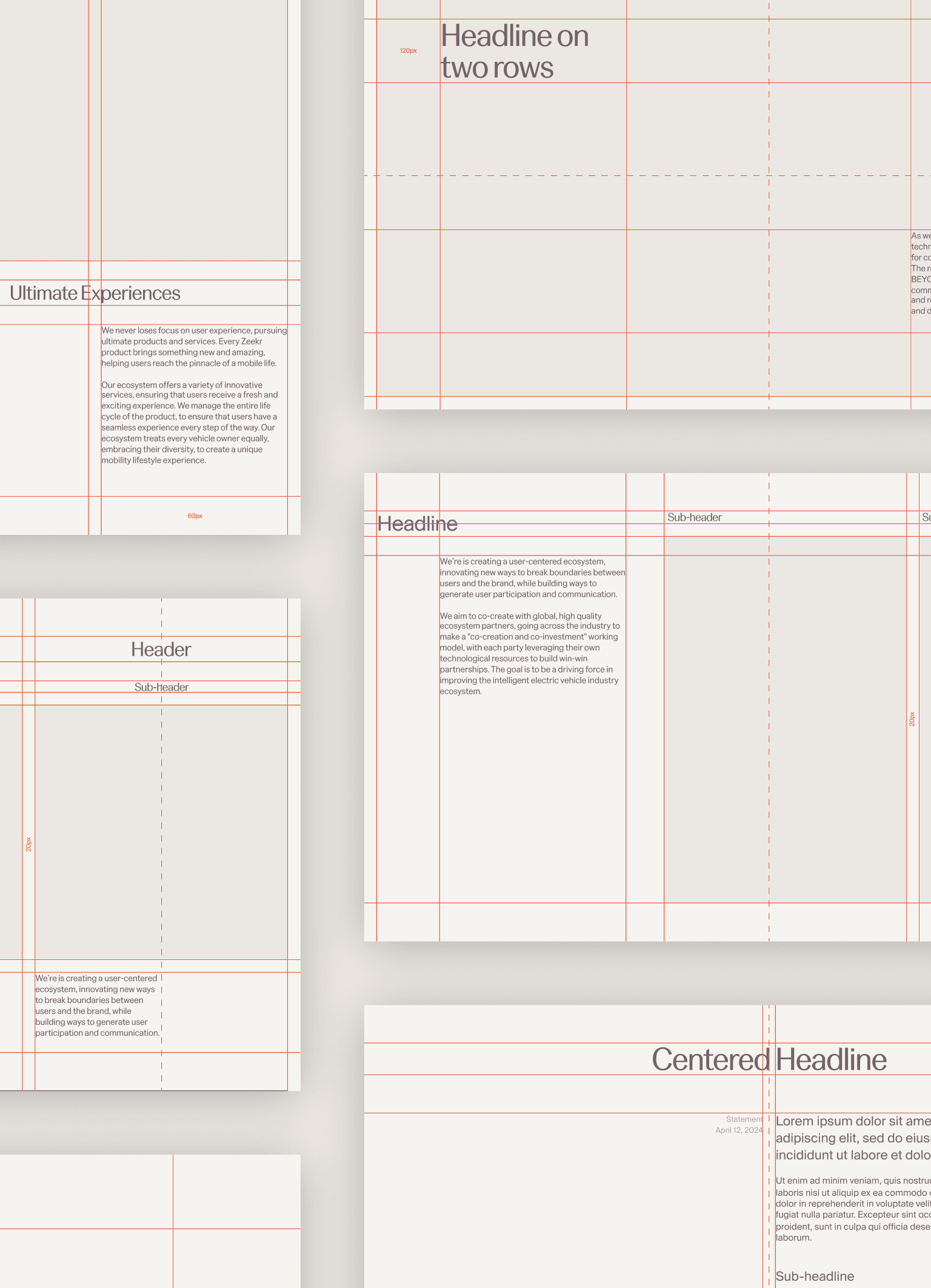
The problem was not a lack of guidelines. It was a lack of operational clarity. Teams needed a system that could:
Provide a single source of truth.
Translate strategy into actionable design decisions.
Scale across products, campaigns, retail, digital, and regional teams.
Balance consistency with local flexibility.
Position the portal as infrastructure, not a website.
The problem was not a lack of guidelines. It was a lack of operational clarity. Teams needed a system that could:
Provide a single source of truth.
Translate strategy into actionable design decisions.
Scale across products, campaigns, retail, digital, and regional teams.
Balance consistency with local flexibility.
Position the portal as infrastructure, not a website.
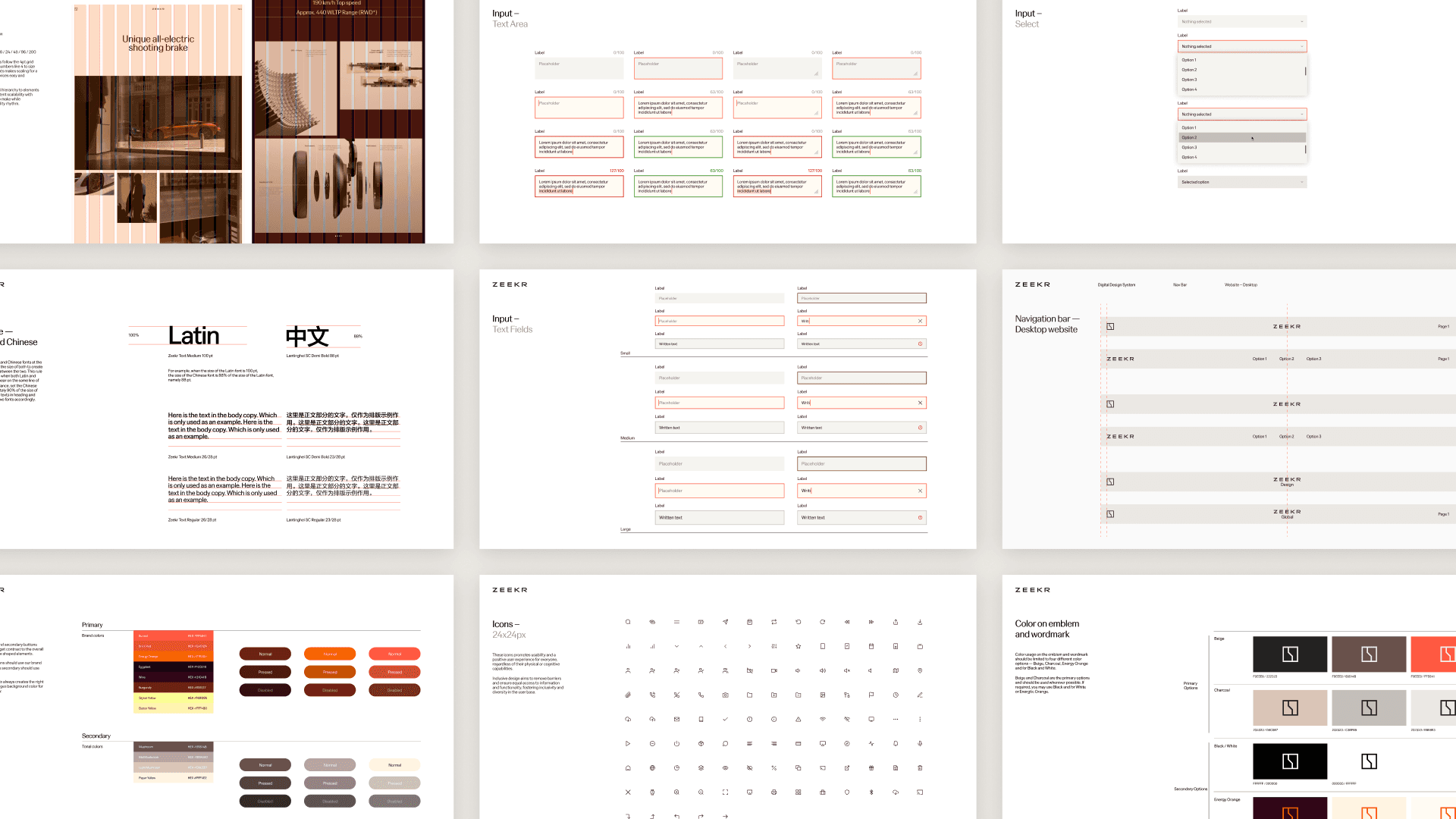
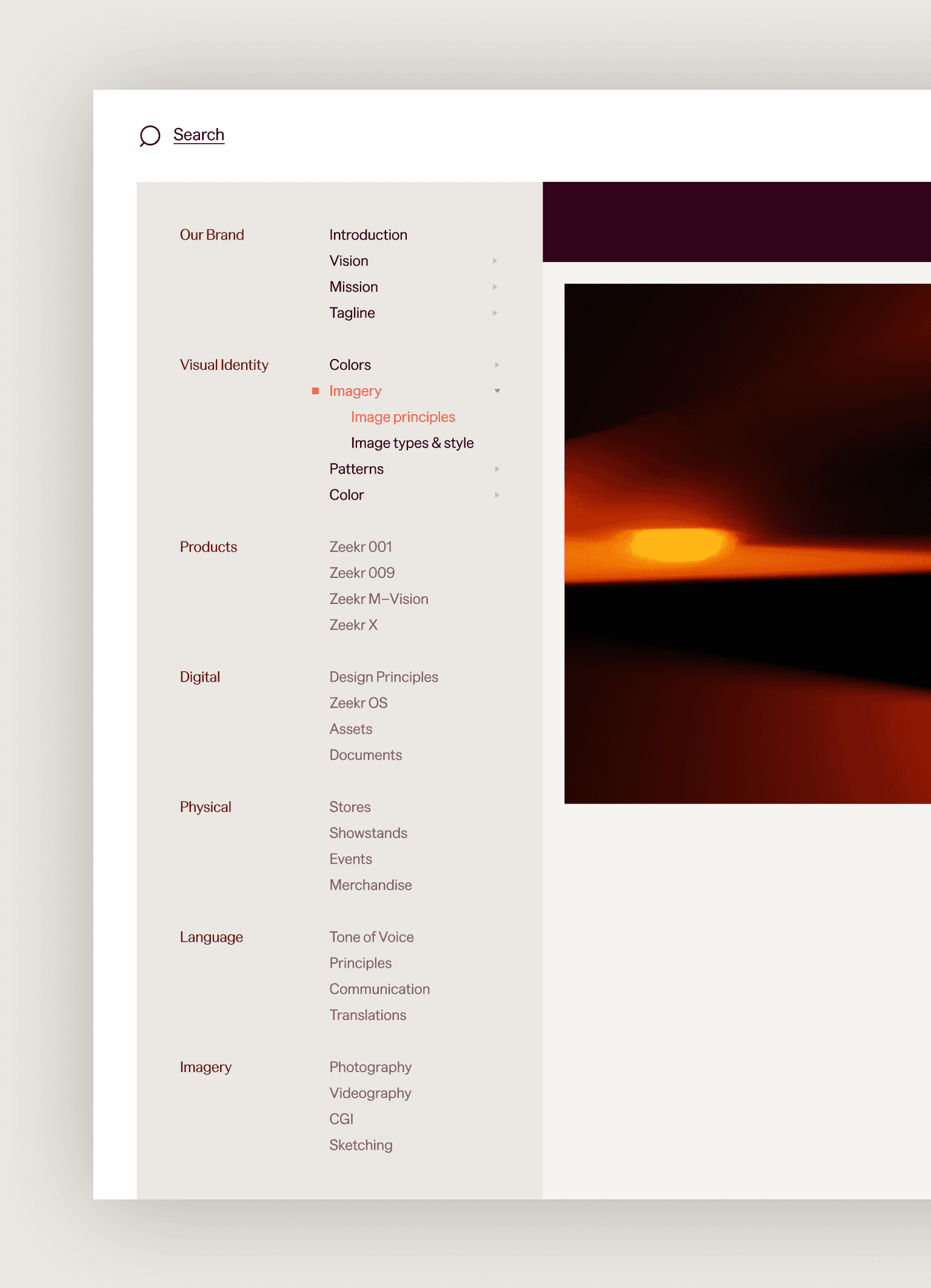
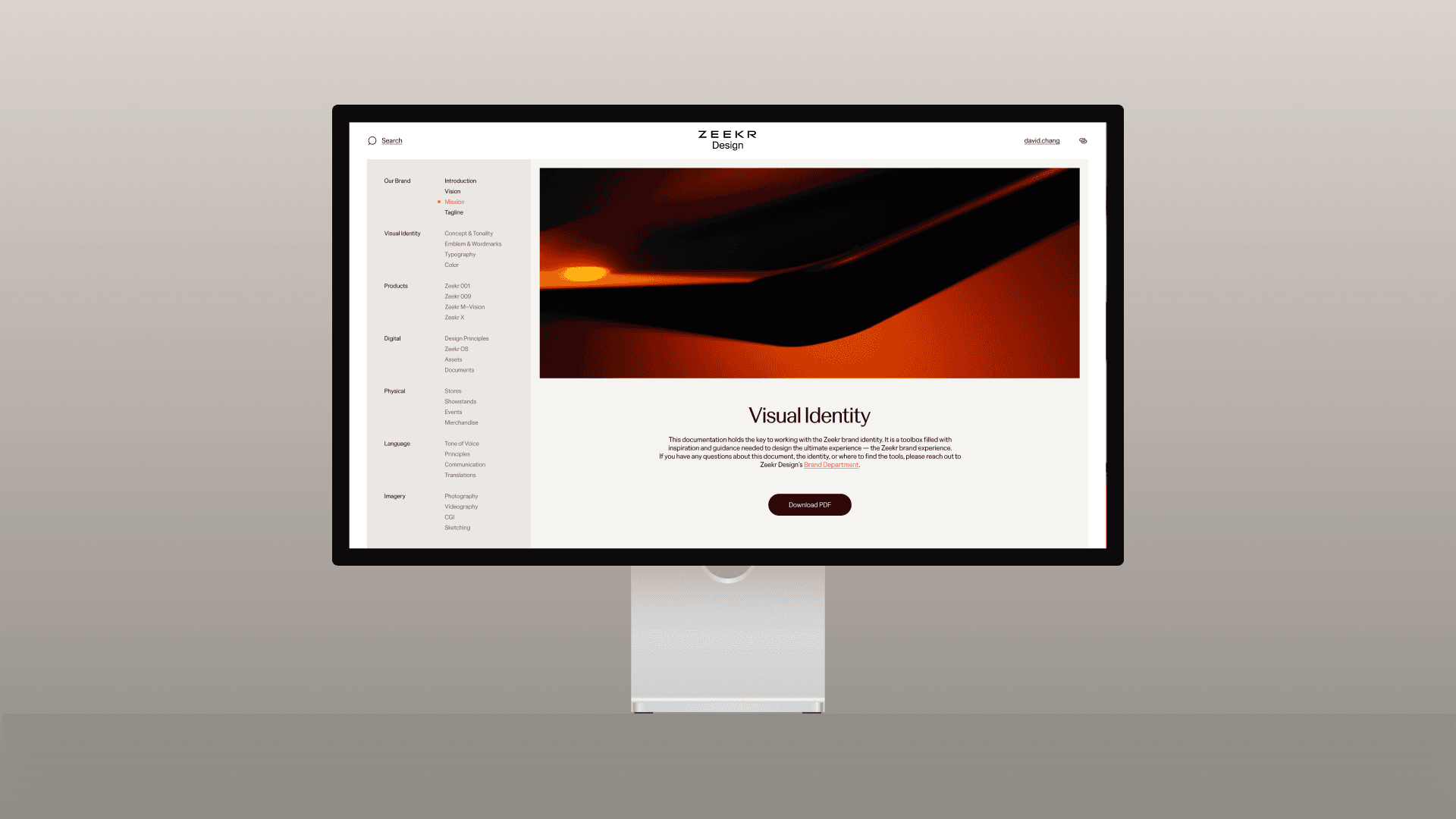
The result became a centralized platform connecting brand strategy, design systems, asset libraries, product narratives, and implementation guidance.
This included:
Defined the strategic framework for the portal.
Structured the information architecture.
Aligned stakeholders across design, marketing, and product teams.
Established governance principles and usage models.
Contributed to the visual and interaction direction of the platform.
The portal was not designed as a repository of assets. It was designed as a decision-making system that aligned strategy, design, and execution across a global organization.
The result became a centralized platform connecting brand strategy, design systems, asset libraries, product narratives, and implementation guidance.
This included:
Defined the strategic framework for the portal.
Structured the information architecture.
Aligned stakeholders across design, marketing, and product teams.
Established governance principles and usage models.
Contributed to the visual and interaction direction of the platform.
The portal was not designed as a repository of assets. It was designed as a decision-making system that aligned strategy, design, and execution across a global organization.